How is this drug name pronounced?
Zanidatamab-hrii: ZAN-ih-DA-tuh-mab
Ziihera: zy-HAY-ruh
What cancer(s) does this drug treat?
Biliary tract cancer
Ziihera is approved for:
- Adult patients with biliary tract cancer that:
-
- has been previously treated,
- cannot be removed by surgery OR has spread to other spread to other parts of the body (metastatic), and
- tests positive for the HER2 molecule.
Limitations of Use
Age: The safety and efficacy of Ziihera in patients under 18 years of age have not been established.
Pregnancy/Breastfeeding: Treatment with Ziihera may cause serious side effects and death to a fetus. Patients who can become pregnant should use effective contraception to prevent pregnancy during treatment with Ziihera and for at least four months after the last dose of Ziihera. Ziihera may cause adverse reactions in a breastfed child. Patients are advised to consider the benefits of breastfeeding versus treatment with Ziihera, which takes about 4 months to clear from the patient’s system.
What type of immunotherapy is this?
Bispecific antibody therapy
- Cell growth inhibitor
How does this drug work?
- Target: Human epidermal growth factor receptor 2 (HER2)
Ziihera is a bispecific antibody that is made in a laboratory and is designed to attach to two different sites on a protein molecule called HER2. HER2 is present on the surface of some normal cells in the body, but is present in much higher quantities on the surface of certain cancer cells. Higher-than-normal amounts of HER2 on cancer cells make these cells the main target of Ziihera.
Ziihera and other antibody molecules have an overall “Y” shape. The two tips of the upper arms of the “Y” shape are the parts of the antibody that can very precisely bind to their targets. For Ziihera, each tip of the upper arms bind to a different area of the HER2. When Ziihera binds to HER2 molecules, the cancer cells bring the HER2 molecule into the cell, reducing the amount of HER2 molecules on the cell surface. The stem of Ziihera’s “Y” shape can attract immune cells or other parts of the immune system.
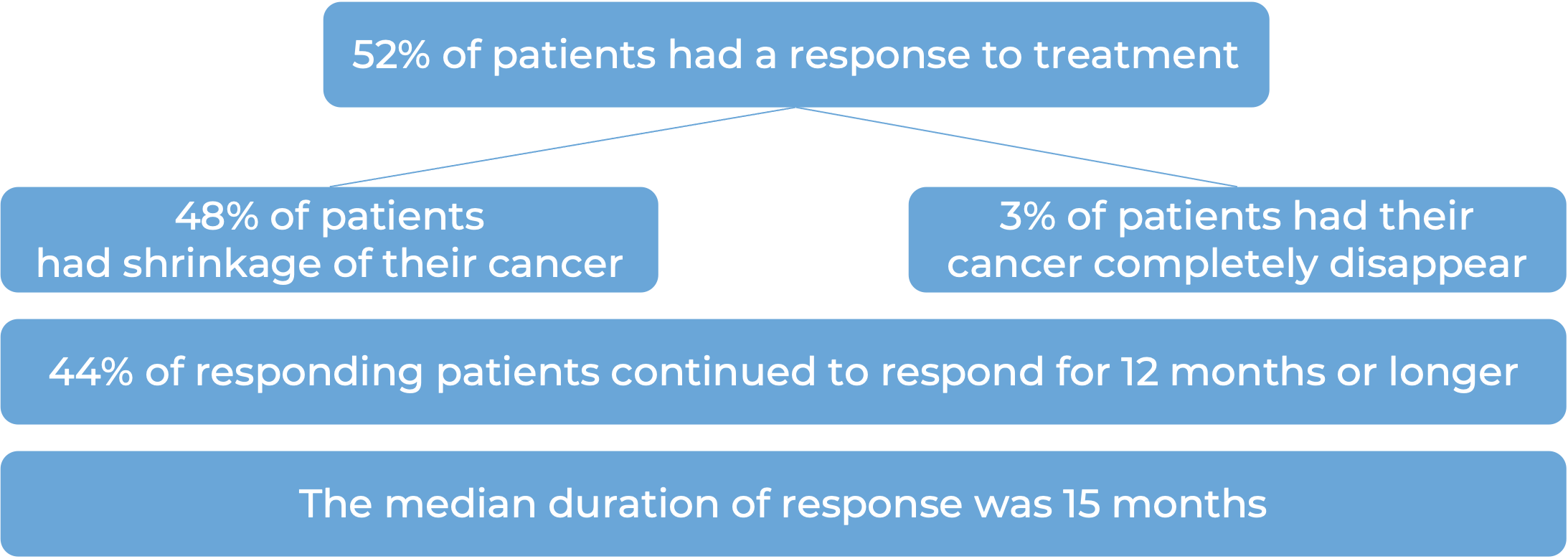
Ziihera works to kill cancer cells in at least four ways.
- Cancer cell growth inhibition
When HER2 on the surface of cells binds to itself or to other HER2-related proteins, it sends signals into the cell that cause the cell to multiply or in other ways promote the cell’s survival (such as causing cancer cells to produce molecules that enhance the growth of blood vessels, which help feed the tumor and support its growth). Higher-than-normal amounts of HER2 allow cancer cells to grow and multiply out of control. Binding of Ziihera to HER2 blocks HER2 from pairing up and sending these signals into the cancer cells, preventing the cells from persisting and multiplying.
- Complement-dependent cytotoxicity (CDC)
When bound to HER2 on the surface of cancer cells, the “stem” of Ziihera can attract and bind molecules of the immune system called “complement”, which freely flow in the blood or tissues. Activation of the complement system causes the formation of the “membrane attack complex”, which can puncture and destroy the cell that Ziihera is bound to.
- Antibody-dependent cell-mediated cytotoxicity (ADCC)
When bound to HER2 on the surface of cancer cells, the stem of Ziihera can also attract and bind immune cells (like NK cells). This allows Ziihera to act as a bridge between the target cell and the immune cell. The immune cell then releases molecules that can kill the cell Ziihera is bound to.
- Phagocytosis
When Ziihera is bound to cancer cells, it can also attract immune cells called phagocytes, which have the ability to ingest (“eat”) cells that have been coated with Ziihera.
How is this drug given to patients?
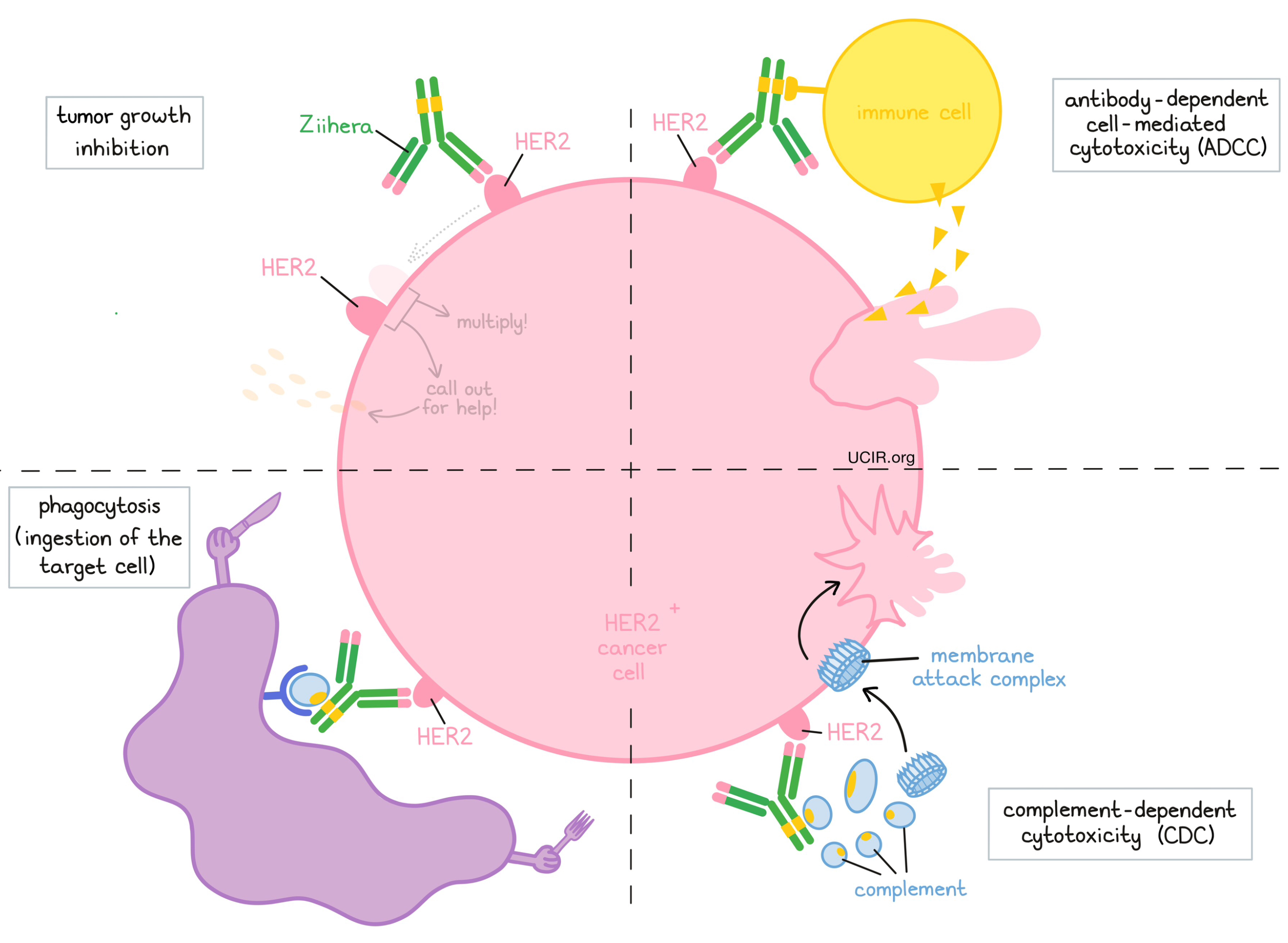
Before starting treatment with Ziihera, a small tumor sample is collected from a patient and is tested to determine if the tumor is positive for high amounts of the HER2 molecule. Because of the risk of side effects, the patient’s cardiac function will be assessed before initiating Ziihera and will be monitored periodically during treatment.
Ziihera is administered every 2 weeks through a tube in the vein (intravenous infusion, i.v.). 30 to 60 minutes prior to each dose of Ziihera, patients are treated with a fever reducer (acetaminophen), an antihistamine, and a corticosteroid to reduce the risk of a reaction to the treatment. The first and second doses of Ziihera are administered over the course of 120 to 150 minutes. If the first two doses are well tolerated, the third and fourth doses of Ziihera can be given over 90 minutes. If the third and fourth doses are well tolerated, subsequent doses of Ziihera can be administered over over 60 minutes. Administration of Ziihera does not require a hospital stay. Treatment with Ziihera is continued until the disease progresses or the side effects become unacceptable.
What are the observed clinical results?
It is important to keep in mind that each patient’s outcome is individual and may be different from the results found in the clinical studies.
Biliary tract cancer
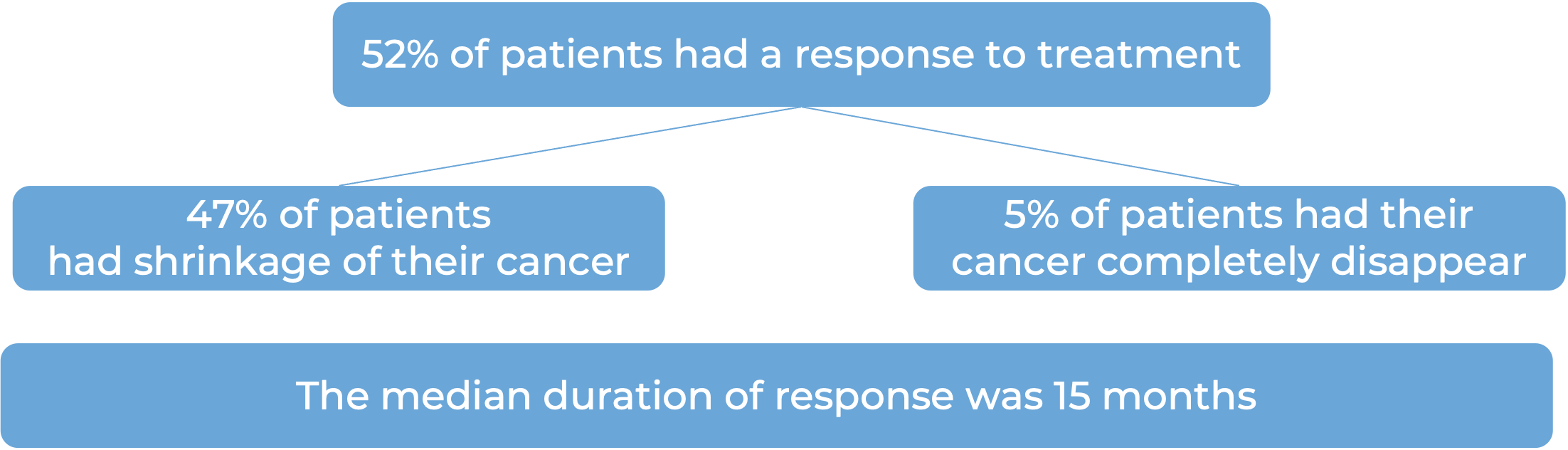
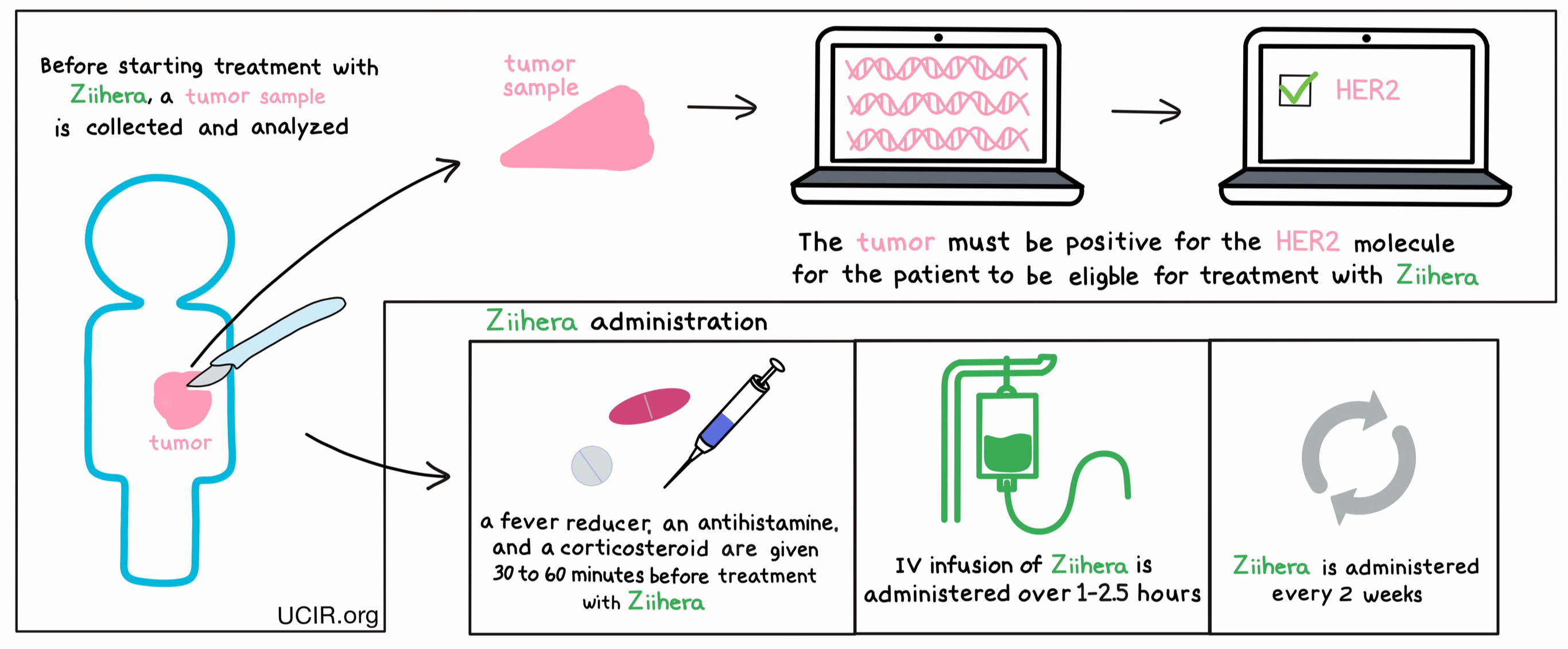
In a clinical trial, 62 patients with advanced biliary tract cancer that had been previously treated with chemotherapy, could not be removed by surgery or had spread to other parts of the body (metastatic), and tested positive for the HER2 molecule, were treated with Ziihera.
What are the side effects?
The most common side effects associated with Ziihera include diarrhea, reactions to the infusion, abdominal pain, and fatigue.
Treatment with Ziihera can cause side effects that can become severe or life-threatening, including heart problems, reactions to the infusion, and severe diarrhea.
Heart problems
Ziihera can potentially cause problems related to the function of the left ventricle of the heart. Patients are regularly monitored for this, and may need to take a temporary break from treatment or discontinue treatment entirely if such heart problems develop.
Administration reactions
Treatment with Ziihera can cause a set of reactions caused by the infusion. The reactions may include flu-like symptoms, such as fever and chills, and occasionally nausea, vomiting, pain, headache, dizziness, shortness of breath, low blood pressure, rash, and weakness. In very few patients, administration reactions are serious and can be life-threatening; in these cases, treatment administration should be immediately stopped, and appropriate interventions and monitoring should be initiated. Symptoms usually occur during administration or within 24 hours after administration.
Diarrhea
Treatment with Ziihera can cause severe diarrhea, which can lead to dehydration. Patients who develop diarrhea are treated with an antidiarrheal, and may need to take a break from or discontinue treatment with Ziihera, depending on the severity of their symptoms.
Patients should report any symptoms to their healthcare provider, who can then initiate actions to limit or reverse the side effects. For a more complete list of possible side effects, see the full prescribing information.
Additional information
Manufacturer
Jazz Pharmaceuticals
Approval
FDA and EMA
Links to drug websites
Last updated on June 26, 2026